

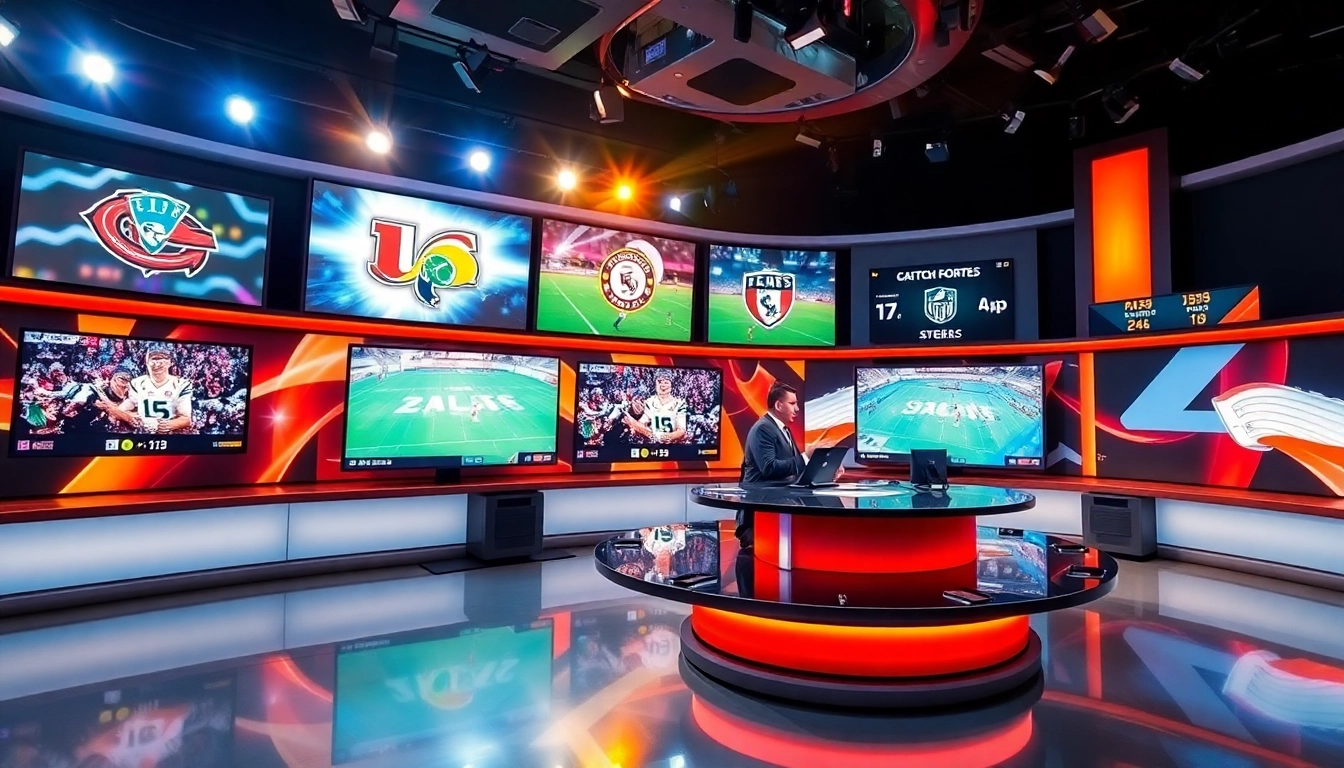
The Evolution of Sports Broadcasting
Sports broadcasting has undergone a significant transformation over the last century, reshaping how fans connect with their favorite sports. From radio broadcasts in the early 1900s to the advent of television, and now to streaming services, the landscape of Sports Broadcasting has witnessed remarkable innovations. This journey is not merely a reflection of technological advancements but also of shifting audience preferences and viewing experiences.
Key Milestones in Sports Broadcasting
The journey of sports broadcasting began with radio broadcasts, delivering game summaries and play-by-play commentary to a captivated audience. In the 1920s and 30s, sports events began to be televised, marking a new era that transformed viewer engagement. The advent of color television in the 1960s enhanced the viewing experience, allowing audiences to feel like they were part of the action. By the late 20th century, satellite technology enabled wide coverage and international reach, bringing sports from around the globe to local audiences.
The Role of Technology in Sports Broadcasting
Modern sports broadcasting heavily relies on technology to enhance viewer experience. High-definition (HD) and 4K resolutions have set new quality standards, immersing viewers in vibrant visuals. Innovations like instant replay and augmented reality (AR) provide fans with live enhancements, offering deeper insights and engagement during broadcasts. Moreover, the integration of mobile technologies and applications has allowed audiences to consume content on-the-go, creating a more personalized viewing experience.
Impact of Streaming on Traditional Sports Broadcasting
Streaming services have revolutionized sports broadcasting by providing viewers with on-demand access to live events. This shift has disrupted traditional cable broadcasts, enabling audiences to select the content they want to watch, often without the need for a cable subscription. Consequently, sports networks have adapted to offer their content through direct-to-consumer streaming platforms while also collaborating with popular online services to maintain relevance in a rapidly changing media landscape.
Understanding Audiences in Sports Broadcasting
Understanding the audience is central to effective sports broadcasting. By analyzing demographics, viewing habits, and engagement metrics, broadcasters can tailor content that resonates with diverse viewers. This section delves into the intricacies of audience analysis in the realm of sports broadcasting.
Demographics of Sports Broadcasting Viewers
The demographics of sports broadcasting audiences vary widely. Factors such as age, gender, and geographic location significantly influence who watches what and when. For instance, younger audiences gravitate towards digital platforms, while older demographics may prefer traditional broadcasts. Understanding these dynamics is essential for creating targeted marketing strategies and content that attracts a broad viewer base.
Engagement Metrics in Sports Broadcasting
Engagement metrics, including viewer ratings, social media interactions, and audience retention rates, provide critical insights into the effectiveness of sports broadcasts. High engagement on social media platforms, for example, often correlates with increased viewer loyalty and brand recognition. Broadcasters can use this data to refine their content strategies, ensuring continued relevance in a competitive market.
Tailoring Content for Diverse Audiences
To create compelling content, sports broadcasters must identify the preferences and interests of their diverse audience segments. This can be achieved through careful segmentation analysis, allowing for personalized content delivery that appeals to different groups. Highlighting local stories, showcasing underrepresented sports, and leveraging audience feedback can significantly enhance viewer engagement and satisfaction.
Content Strategies for Successful Sports Broadcasting
Creating captivating content is at the heart of successful sports broadcasting. By leveraging storytelling techniques, social media engagement, and data analytics, broadcasters can cultivate a loyal and enthusiastic audience base. This section explores effective content strategies that drive viewer engagement.
Creating Compelling Stories in Sports Broadcasting
Storytelling is a powerful tool in sports broadcasting. Whether it’s exploring athletes’ journeys or highlighting historic moments, compelling narratives create emotional connections with viewers. Broadcasts that weave personal stories into the fabric of the event can significantly increase audience interest and emotional investment, turning casual viewers into devoted fans.
Leveraging Social Media for Sports Broadcasting
Social media platforms play a crucial role in extending the reach of sports broadcasts. Engaging with fans through platforms like Twitter, Instagram, and TikTok fosters a sense of community and opens channels for real-time commentary. Broadcasters can share snippets of behind-the-scenes action, conduct live Q&As, or even run polls to enhance viewer interaction and build anticipation for upcoming events.
Utilizing Analytics for Content Improvement
Continuous improvement in sports broadcasting relies on data analytics. By leveraging metrics and viewer feedback, broadcasters can identify trends and preferences, optimizing content strategies accordingly. Analytics can reveal what types of segments resonate with audiences, leading to more informed decisions on future programming and content styles.
Best Practices for Live Sports Broadcasting
Delivering a live sports event comes with its challenges. From maintaining quality production to ensuring effective communication, adherence to best practices is vital for a successful broadcast. This section outlines essential strategies for executing live sports broadcasting flawlessly.
Effective Communication Techniques
Clear communication is crucial among the production team, commentators, and viewers during live broadcasts. Broadcasters should train announcers to engage viewers with enthusiasm and clarity, ensuring they convey accurate information while making the event enjoyable to watch. The use of concise language and a well-structured narrative helps maintain viewer focus and enhances overall engagement.
Ensuring Quality Production in Live Events
High-quality production is non-negotiable in live sports broadcasting. This includes selecting the right camera angles, ensuring excellent audio quality, and minimizing delays. Pre-event preparation enables production teams to troubleshoot technical issues and devise contingency plans, ensuring a seamless viewing experience. Investing in top-notch equipment and skilled personnel significantly elevates the overall quality of the broadcast.
Utilizing Audience Feedback for Improvement
Listener feedback provides invaluable insights for broadcasters to improve live events. Post-event surveys, social media input, and viewership statistics offer guidance on what resonates with audiences and what aspects require enhancement. By actively listening to and implementing viewer suggestions, sports broadcasters can establish a stronger connection with their audience, fostering loyalty and an immersive viewing experience.
The Future of Sports Broadcasting
As we look ahead, the landscape of sports broadcasting is set to evolve further. Emerging technologies and changing viewer preferences indicate a new horizon for broadcasters. This section examines anticipated trends and innovations that will shape the future.
Emerging Technologies Impacting Sports Broadcasting
Emerging technologies such as artificial intelligence (AI) and virtual reality (VR) are on the brink of revolutionizing how sporting events are experienced. AI can enhance analytics for tailored content, while VR offers an immersive experience, allowing fans to feel as if they are in the stadium. Broadcasters must stay informed and leverage these technologies to stay competitive and appealing to a tech-savvy audience.
Trends Shaping the Future of Sports Broadcasting
Several trends reflect the changing landscape of sports broadcasting, including the rise of mobile viewership and personalized content. As audiences increasingly prefer streaming on mobile devices, timely access to events and highlight packages can significantly boost engagement levels. Furthermore, the importance of inclusivity in sports coverage—highlighting diverse athletes and unrecognized sports—is increasingly prioritized by modern broadcasters.
Preparing for Changes in Viewership Preferences
Sports broadcasters must remain agile, adapting to shifting viewer preferences that come with generational changes and technological advancements. Exploring interactive broadcasts that engage viewers more personally, such as allowing them to choose camera angles or provide input during the event, are ways to maintain relevance. Keeping an eye on trends, both in consumption and technology, will ensure broadcasters remain best positioned to meet the evolving demands of sports audiences.
FAQs
What is Sports Broadcasting?
Sports broadcasting involves delivering live sports events and related commentary through various media channels.
How has technology changed Sports Broadcasting?
Technology has improved coverage with HD visuals, real-time statistics, and viewer interactivity through online streaming.
What metrics are important in Sports Broadcasting?
Key metrics include viewer ratings, engagement rates on social media, and audience retention during broadcasts.
How can I engage audiences during broadcasts?
Engagement can be boosted by integrating interactive elements, responding to viewer feedback, and utilizing storytelling.
What is the impact of streaming services on Sports Broadcasting?
Streaming services have increased accessibility and allowed viewers to watch live sports on-demand, reshaping viewership habits.